
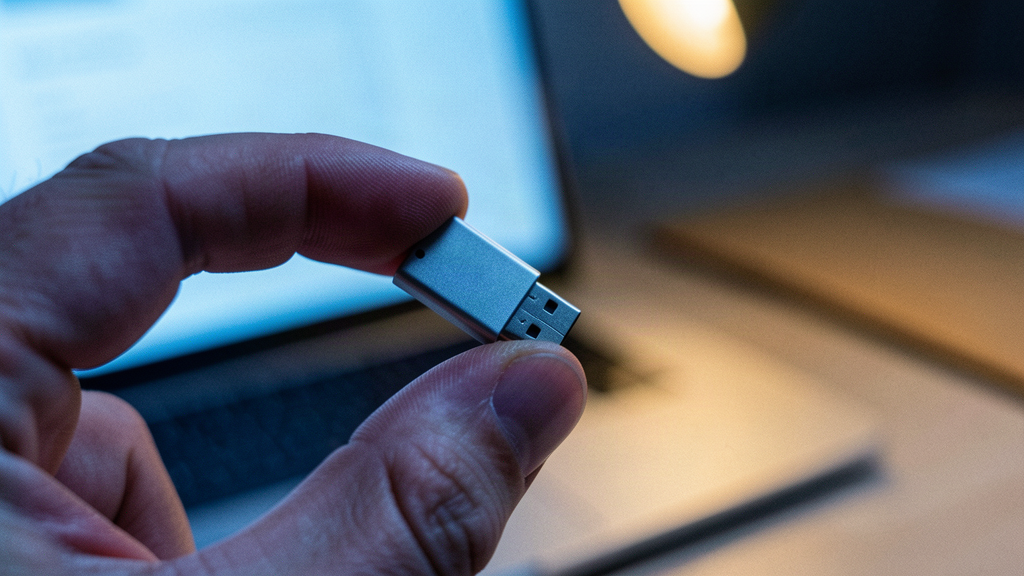
Most IT techs don’t understand attorney-client privilege or your obligations of confidentiality. Consider this common scenario: a tech opens a remote session to fix an email sync error. The mailbox will not sync, so he does the obvious next step, which is to export the whole .pst file, ten gigabytes of it, onto a USB drive to test the connection somewhere else. That plaintext file contains active litigation strategy, unredacted settlement communications, client medical records, and all of it is now sitting on an unencrypted drive that just left the building.
The tech thinks he closed a ticket. The managing partner has no idea a nonlawyer just extracted the firm’s most sensitive files with zero audit trail, no log of who touched what, no record it ever happened.
The IT vendor might not be a representative of the lawyer
Privilege extends to a “representative of the lawyer” under Article 506 only when that person’s access is strictly necessary to render legal services. Necessary. Not convenient, not standard practice, not “how we have always set it up for every client.”
Here is how it works in many IT shops. The IT vendor runs one standing global admin account to browse file shares, including the litigation trust ledger and the real estate closing folder, because setting up granular access takes more time than leaving the door open. Support tickets land in a shared, multi-tenant help desk system where any tech at the vendor, not just the one working your issue, can read the unredacted client names and case details inside. Automated notification emails go out over plain cleartext with error dumps and client identifiers sitting right in the subject line.
None of that access was necessary, and under Louisiana law that is the real problem, not just a compliance nicety. Article 506 only extends privilege to a “representative of the lawyer” whose access is strictly necessary to the legal work. A vendor sitting on a standing global admin account was never validly a “representative of the lawyer” for anything outside the ticket he was working, so privilege arguably never attached to what he could see in the first place.
The defense of inadvertent disclosure
If a disclosure actually happens, Louisiana Code of Evidence Article 502 gives you a narrower way out than most lawyers assume. It protects an inadvertent disclosure from operating as a waiver only if the firm learns of it and gives the other side reasonably prompt notice once it knows. A shared login with no audit trail means nobody can say who touched what or when, so the firm cannot prove it learned of a disclosure in time to give that notice. Opposing counsel can raise both problems in a discovery fight: the access was never necessary under Article 506, and the firm cannot invoke Article 502’s non-waiver protection because it has no way to show it acted promptly, which is exactly the kind of failure Rule 1.6(c)’s reasonable-efforts standard is meant to catch.
Three things to demand of any IT vendor touching a law firm
- Zero standing admin access. A technician fixing an Outlook profile does not need permanent global rights to browse every file share in the building. Just-in-time access and role-based permissions mean a tech gets exactly what the ticket requires, and nothing else, for exactly as long as the ticket takes.
- Named-user logging, no shared logins. Ban the shared admin@firm.com account today. Every action needs to trace back to one named technician, with immutable logs, so you can prove who touched what and when if you are ever asked in discovery. And no vendor should ever type your master credentials into a client-owned or unmanaged machine.
- A vendor agreement that actually addresses Rule 5.3. Most MSP master service agreements never mention legal ethics at all. A law firm needs an agreement that names Rule 5.3 supervision directly, requires immediate notice of any third-party subpoena or government data demand, and mandates encrypted data handling consistent with ABA Formal Opinion 477R and ABA Formal Opinion 498.
If you want a more detailed one-page checklist to audit exactly what your current provider has access to right now, send me a message.